electric locomotive maintenance facilities are set to expand significantly as Indian Railways approves a Rs 175 crore project in Raipur.
Overview of the Rs 175 crore project
The Indian Railways has recently approved a significant project aimed at enhancing electric locomotive maintenance facilities at Raipur, with a total investment of Rs 175 crore. This initiative is set to bolster the efficiency and reliability of electric locomotives, which play a crucial role in the railway network across the country.
The project encompasses various aspects that will contribute to the modernization of maintenance operations. Key components of the initiative include:
- Upgrading Facilities: The project will involve the refurbishment of existing maintenance infrastructure to accommodate advanced technologies and methodologies.
- Enhanced Capacity: With the expansion of maintenance facilities, the capacity to service multiple electric locomotives simultaneously will significantly increase.
- Workforce Training: A focus on training programs for maintenance personnel will ensure that the workforce is well-equipped to handle the complexities of modern electric locomotive maintenance.
- Environmental Considerations: The initiative includes plans for implementing eco-friendly practices in maintenance operations, aligning with sustainability goals.
This comprehensive project not only aims to improve the operational efficiency of electric locomotives but also seeks to reduce turnaround times and enhance service quality for passengers. With the growing reliance on electric locomotives in the Indian Railways, effective maintenance is paramount, making this Rs 175 crore initiative a pivotal step forward.
Impact on electric locomotive efficiency
The approval of the Rs 175 crore project to enhance electric locomotive maintenance facilities at Raipur is expected to significantly boost the efficiency of electric locomotives used by Indian Railways. By expanding maintenance capabilities, the initiative aims to reduce downtime and improve the overall reliability of the fleet.
As electric locomotives are integral to the railway network, their efficient performance is crucial for timely services. The upgraded facilities will allow for:
- Faster Turnaround Times: With increased maintenance capacity, locomotives can be serviced and returned to service more quickly, minimizing delays in freight and passenger operations.
- Improved Safety Standards: Regular and thorough maintenance will help identify potential issues before they escalate, ensuring that the locomotives operate safely and efficiently.
- Enhanced Performance Monitoring: Advanced maintenance systems will facilitate better tracking of locomotive performance, allowing for timely interventions and adjustments that can lead to greater energy efficiency.
- Reduction in Operational Costs: By focusing on preventive maintenance, the project aims to reduce long-term repair costs and fuel consumption, contributing to more sustainable railway operations.
Overall, the expansion of electric locomotive maintenance facilities not only aims to enhance operational efficiency but also aligns with Indian Railways’ commitment to modernize its infrastructure and improve service delivery across the nation.
Details of the Raipur maintenance facilities
The electric locomotive maintenance facilities in Raipur are set to undergo significant enhancements as part of the recently approved project. This initiative aims to bolster the efficiency and reliability of electric locomotives, ensuring that they are well-maintained and ready for service.
The key features of the upgraded maintenance facilities include:
- Expanded Workshop Space: The project will increase the workshop area, allowing for more locomotives to be serviced simultaneously.
- Modern Equipment: Investment in state-of-the-art diagnostic tools and machinery to streamline maintenance processes.
- Skilled Workforce Training: Implementation of training programs for technicians to enhance their skills in electric locomotive maintenance.
- Environmentally Friendly Practices: Adoption of sustainable practices to minimize the environmental impact of maintenance activities.
- Improved Turnaround Time: Accelerated maintenance cycles to reduce downtime and keep locomotives operational.
The investment of Rs 175 crore reflects Indian Railways’ commitment to modernizing its fleet and infrastructure. By focusing on electric locomotive maintenance, the project is expected to significantly improve service quality and operational efficiency.
Overall, these improvements at the Raipur facilities will not only enhance the capabilities of the electric locomotives but also contribute to the broader goal of sustainable rail transport in India.
Timeline for project completion
The timeline for the completion of the electric locomotive maintenance project at Raipur has been meticulously planned to ensure efficiency and minimal disruption to ongoing services. The project, which is valued at Rs 175 crore, is set to unfold in several key phases over the next two years.
Initially, the project will commence with the groundwork and infrastructure development, which is expected to take around six months. This phase includes the construction of new maintenance bays and the installation of advanced diagnostic equipment designed specifically for electric locomotives. Following this, the installation of necessary utilities, such as power supply and water systems, will take another four months.
Once the infrastructure is established, the next stage will focus on the training of maintenance personnel. This critical phase will occur concurrently with the completion of the facilities, lasting approximately three months. It aims to equip staff with the skills required to operate and maintain modern electric locomotives effectively.
Finally, the project is projected to enter its operational phase within 12 months after the completion of physical construction. During this time, the facilities will be tested and optimized for performance, ensuring that they meet the standards necessary for efficient electric locomotive maintenance.
Overall, the full completion of the project is targeted for the end of the second year, ensuring that Indian Railways can enhance its capabilities in maintaining its expanding fleet of electric locomotives.
Funding sources for the project
The funding for the electric locomotive maintenance project has been sourced through a combination of government allocations and public-private partnerships. This strategic approach aims to ensure that the necessary resources are readily available for the successful execution of the project.
Key sources of funding include:
- Government Budget Allocations: A significant portion of the Rs 175 crore has been allocated from the Indian Railways’ annual budget. This funding is crucial for covering initial infrastructure development costs.
- Public-Private Partnerships (PPP): The project has also attracted interest from private investors, who are expected to contribute additional funds. This collaboration is intended to enhance operational efficiency and bring in innovative technologies.
- Grants and Subsidies: The project is likely to benefit from various state and central government grants aimed at improving railway infrastructure. These funds will complement the existing budget and PPP contributions.
This diversified funding strategy not only mitigates financial risks but also reinforces the commitment to modernizing the electric locomotive maintenance facilities at Raipur. By leveraging both public and private resources, Indian Railways aims to enhance the overall efficiency and reliability of its electric locomotives, ultimately benefiting the entire rail network.
Benefits to local economy
The approval of the Rs 175 crore electric locomotive maintenance project is expected to provide significant benefits to the local economy in Raipur and its surrounding areas. The expansion of maintenance facilities will not only enhance the efficiency of electric locomotives but will also create numerous job opportunities for local residents.
Key benefits to the local economy include:
- Job Creation: The project is anticipated to generate direct and indirect employment opportunities. Skilled technicians, engineers, and support staff will be required to operate and maintain the expanded facilities, leading to a boost in local employment.
- Increased Local Business: With the influx of workers and the expansion of services, local businesses such as restaurants, shops, and accommodation facilities will likely see an increase in demand, further stimulating the economy.
- Infrastructure Development: The project may lead to improvements in local infrastructure, including transportation and utilities, as the need for enhanced services arises to support the new maintenance facilities.
- Skill Development: Training programs associated with electric locomotive maintenance will provide local residents with valuable skills, enhancing their employability in the growing railway sector.
Overall, the electric locomotive maintenance project represents a pivotal investment that promises to invigorate the local economy while supporting the broader goals of Indian Railways in improving transportation efficiency.
Future plans for railway infrastructure
The expansion of electric locomotive maintenance facilities at Raipur is just the beginning of a broader vision for enhancing railway infrastructure across the nation. Indian Railways is committed to modernizing its operations to improve efficiency and reliability in transportation. To achieve this, several future plans are in place.
- Introduction of Advanced Technologies: The project will incorporate state-of-the-art diagnostic tools and automated maintenance systems to ensure electric locomotives are serviced more efficiently.
- Expansion of Maintenance Facilities: Additional maintenance centers are planned in strategic locations to reduce turnaround times for electric locomotives, thereby increasing their availability for service.
- Training Programs: Specialized training for maintenance personnel will be developed to enhance skills related to electric locomotive maintenance, ensuring that staff are well-equipped to handle the new technologies.
- Collaboration with Industry Experts: Partnerships with technology providers and engineering firms will be established to adopt best practices in locomotive maintenance and operations.
- Focus on Sustainability: Future plans will also include initiatives to minimize the environmental impact of maintenance activities, promoting greener practices within the railway sector.
With these strategic initiatives, Indian Railways aims to not only improve electric locomotive maintenance but also to set a benchmark for railway infrastructure development, ensuring a reliable and sustainable transport network for the future.
Challenges in railway maintenance
The maintenance of electric locomotives is critical to ensuring their operational efficiency and longevity. However, several challenges can impede effective railway maintenance, especially in expanding facilities like the ones planned in Raipur.
One major challenge is the need for advanced diagnostic tools and skilled personnel. The rapid advancement in locomotive technology necessitates continuous training for maintenance staff to keep up with new systems and components. Additionally, identifying the right balance between routine maintenance and unexpected repairs can strain resources.
Another concern is the infrastructure itself. While the Rs 175 crore project aims to enhance the existing facilities, logistical constraints such as space limitations and outdated equipment can hinder efficient operations. The integration of modern technology into older systems also presents a significant hurdle.
Supply chain issues can further complicate electric locomotive maintenance. Timely access to spare parts is essential for minimizing downtime, yet delays can occur due to transportation challenges or vendor reliability. This reliance on external suppliers can lead to extended wait times for critical components.
Moreover, environmental factors, such as adverse weather conditions, can disrupt maintenance schedules. Ensuring the safety of personnel while maintaining operational standards remains a top priority.
To tackle these challenges, Indian Railways must adopt strategic planning and invest in innovative technologies that will enhance the effectiveness of electric locomotive maintenance.
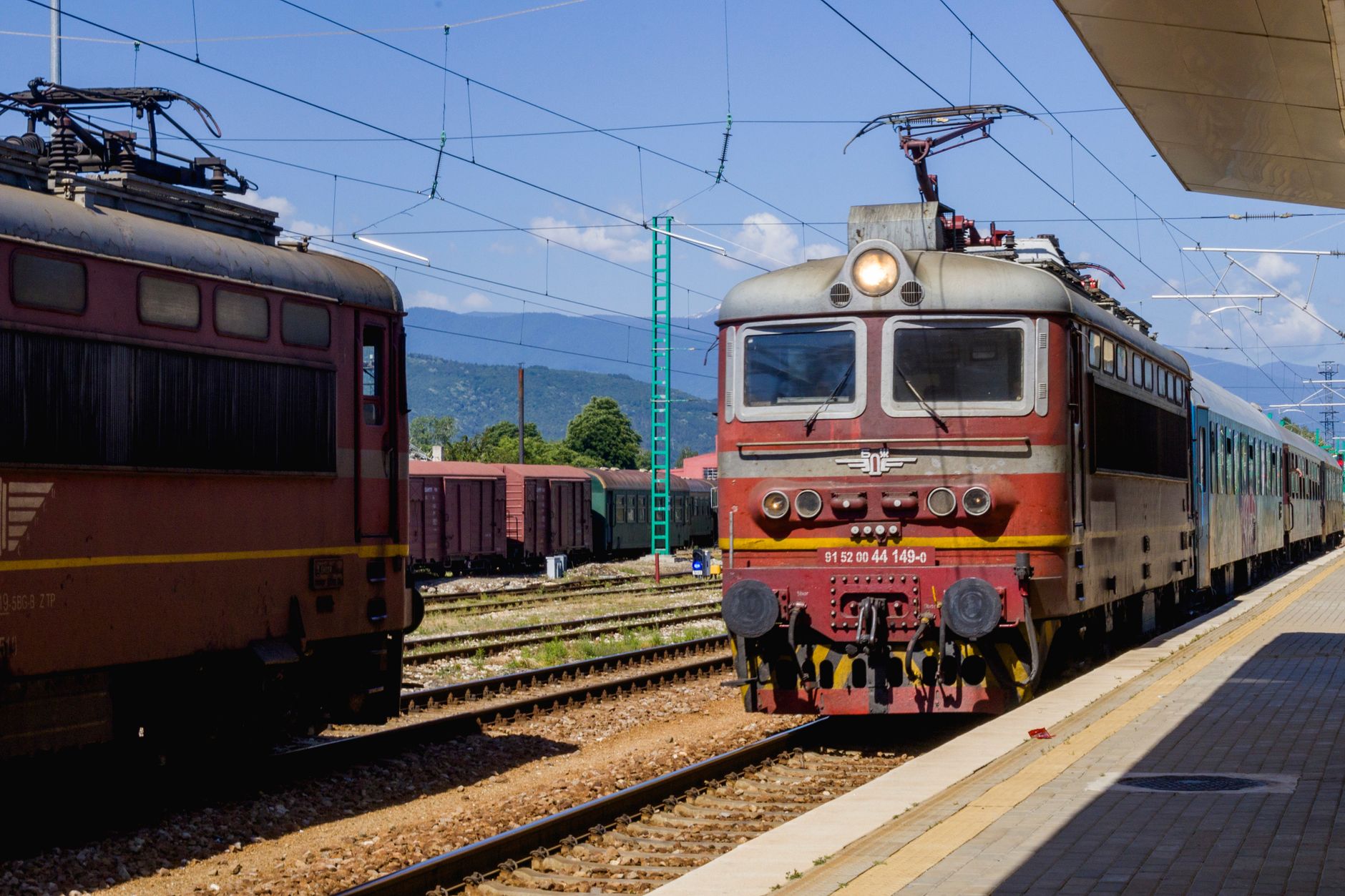
Photo by Denitsa Kireva on Pexels