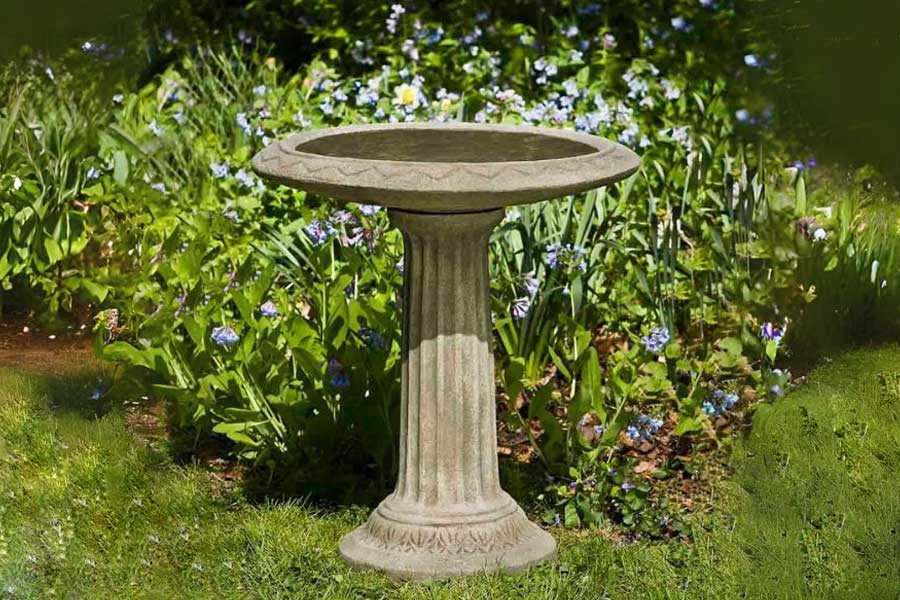
Gardens have always been places of peace, reflection, and natural beauty, and decorative elements play an important role in shaping their atmosphere. Among these elements, Bird Bath designs stand out as both functional and artistic additions that attract wildlife while enhancing outdoor aesthetics. A well-crafted stone bird bath not only supports birds by providing fresh water but also adds elegance and charm to any garden setting.
These structures have been used for centuries in landscape design, symbolizing harmony between nature and human creativity. Today, they continue to be popular in modern gardens due to their durability, beauty, and ecological benefits.
What is a Bird Bath ?
A bird bath is a shallow outdoor basin designed to hold water for birds to drink and bathe in. It serves both a practical and decorative purpose, making it a valuable addition to gardens, patios, and outdoor spaces.
Stone bird baths are especially popular because they are strong, weather-resistant, and naturally blend into outdoor environments. They are often carved with artistic detailing, ranging from simple smooth bowls to highly decorative sculptural designs.
In addition to their functional role, bird baths contribute to the overall visual appeal of a garden, creating a focal point that attracts attention and enhances natural beauty.
Why are stone bird baths popular in gardens ?
Stone bird baths are widely preferred because of their durability and timeless appearance. Unlike plastic or lightweight materials, stone structures can withstand changing weather conditions, including rain, heat, and frost.
Their natural texture and earthy tones allow them to blend seamlessly with plants, flowers, and landscape features. This creates a harmonious outdoor environment that feels balanced and inviting.
Another reason for their popularity is their stability. Heavy stone construction ensures that the bird bath remains firmly in place, even in windy conditions, making it safe for visiting birds.
How do bird baths support wildlife ?
Bird baths play an important role in supporting local wildlife, especially birds that rely on clean water sources for drinking and bathing. In urban and suburban areas, natural water sources may be limited, making bird baths essential for survival.
By providing fresh water, bird baths help birds regulate body temperature, clean their feathers, and maintain hygiene. This is particularly important during hot summer months when natural water sources may dry up.
In addition to birds, other small wildlife such as butterflies and bees may also benefit from shallow water access, contributing to a healthier garden ecosystem.
What makes stone bird baths aesthetically appealing ?
Stone bird baths are valued for their natural beauty and artistic craftsmanship. Each piece is often uniquely carved, featuring textures and designs inspired by nature, mythology, or classical art.
The solid appearance of stone gives gardens a sense of permanence and elegance. Over time, natural aging and weathering can enhance the beauty of stone, giving it a rustic and organic look.
These features make stone bird baths not just functional objects but also decorative sculptures that elevate the overall design of outdoor spaces.
Where should a bird bath be placed in a garden ?
Proper placement of a bird bath is essential for attracting birds and ensuring their safety. It should be placed in a quiet and secure area of the garden, away from heavy foot traffic and potential predators.
Ideally, the bird bath should be positioned near trees or shrubs, allowing birds to perch and feel safe before approaching the water. However, it should not be too close to dense foliage where predators might hide.
Partial sunlight is also beneficial, as it helps keep the water fresh while preventing excessive algae growth.
How to maintain a stone bird bath ?
Maintaining a stone bird bath is relatively simple but important for ensuring clean and safe water for birds. Regular cleaning helps prevent algae buildup, bacteria growth, and debris accumulation.
The water should be changed frequently, especially during warm weather. A gentle scrub with a brush and mild cleaning solution can help keep the stone surface clean without damaging it.
It is also important to rinse thoroughly after cleaning to ensure no residue remains that could harm wildlife.
What design styles are available in stone bird baths ?
Stone bird baths come in a wide variety of design styles to suit different garden themes. Some popular styles include classical pedestal designs, rustic natural stone bowls, and ornate carved sculptures.
Modern designs often feature minimalistic shapes with smooth finishes, while traditional styles may include intricate carvings of flowers, animals, or mythical figures.
This variety allows gardeners to choose a bird bath that complements their personal taste and overall landscape design.
How do bird baths enhance garden ecosystems ?
Bird baths contribute positively to garden ecosystems by attracting birds that help control insect populations. Birds naturally feed on insects, which can reduce the need for chemical pest control methods.
This creates a more balanced and environmentally friendly garden environment. Additionally, the presence of birds adds life, movement, and sound, making outdoor spaces more enjoyable and dynamic.
By supporting biodiversity, bird baths help maintain a healthy ecological balance in residential gardens.
What materials are used in bird bath construction ?
Bird baths can be made from various materials, including stone, ceramic, metal, resin, and concrete. However, stone remains one of the most durable and aesthetically pleasing options.
Natural stone offers strength and weather resistance, while also providing a classic and elegant appearance. Other materials may be lighter or more affordable but may not offer the same longevity.
The choice of material often depends on budget, design preference, and environmental conditions.
Why is water quality important in bird baths ?
Clean water is essential for the health of birds that use bird baths. Stagnant or dirty water can lead to the spread of diseases and discourage birds from visiting.
Regular water changes help maintain hygiene and ensure that birds have access to safe drinking and bathing water. Adding fresh water daily is recommended, especially in warmer climates.
Maintaining water quality also enhances the attractiveness of the bird bath, encouraging more frequent visits from wildlife.
How do bird baths influence garden design ?
Bird baths are often used as focal points in garden design. Their placement and design can guide the overall layout of outdoor spaces, creating balance and visual interest.
They can be paired with flower beds, fountains, or pathways to create a cohesive landscape design. Their presence adds depth and dimension to gardens, making them more visually appealing.
Designers often use bird baths to connect natural and decorative elements within outdoor environments.
What are the benefits of adding a bird bath to a garden ?
Adding a bird bath to a garden offers both aesthetic and ecological benefits. It enhances visual appeal while also supporting local wildlife.
Bird baths encourage biodiversity, improve garden atmosphere, and create a peaceful outdoor environment. They also provide opportunities for nature observation, allowing people to enjoy bird activity up close.
These benefits make bird baths a valuable addition to any outdoor space.
Conclusion
Bird baths represent a perfect blend of functionality and artistic design in garden spaces. Stone bird baths, in particular, offer durability, elegance, and ecological value that enhance outdoor environments in multiple ways.
By attracting birds, supporting wildlife, and adding visual charm, they contribute to healthier and more beautiful gardens. As interest in natural landscaping continues to grow, bird baths will remain an important feature in creating balanced and harmonious outdoor spaces.