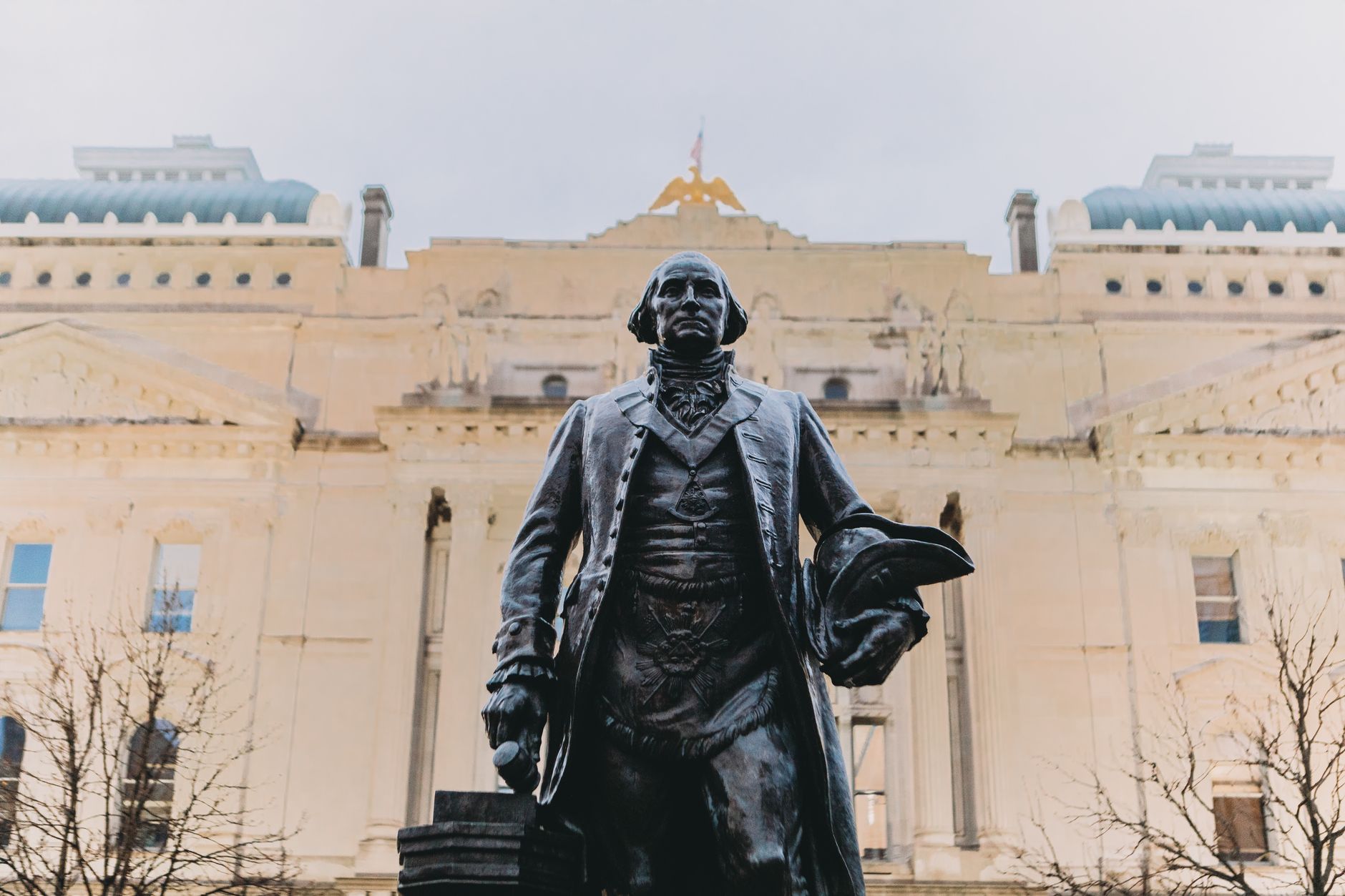
George Washington statues have become a topic of discussion as Trump requests their installation at the Smithsonian. This proposal raises questions about historical representation and cultural significance.
Trump’s Proposal for Statues
In a recent announcement, former President Donald Trump proposed that the Smithsonian Institution install several George Washington statues as part of a special exhibit celebrating American history. This initiative aims to honor the legacy of the nation’s first president and emphasize his pivotal role in the founding of the United States.
Trump’s proposal has garnered mixed reactions from various stakeholders. Supporters argue that showcasing George Washington statues would serve as a powerful reminder of the country’s origins and the values of leadership and resilience. They believe that such an exhibit could attract more visitors to the Smithsonian and deepen public understanding of history.
On the other hand, critics express concerns about the implications of glorifying historical figures like Washington, given his complex legacy, including his ties to slavery. They argue that any exhibit should include a broader context to address these issues and provide a more nuanced view of America’s past.
- Supporters: Emphasize Washington’s leadership
- Critics: Raise concerns about historical context
The Importance of George Washington
George Washington remains a pivotal figure in American history, known for his leadership during the Revolutionary War and as the first President of the United States. His contributions to the founding of the nation are immeasurable, making the discussion around George Washington statues particularly significant.
Supporters argue that these statues serve as a reminder of the values and principles upon which the United States was built. They highlight several key reasons for their importance:
- Historical Significance: Washington’s role in shaping the nation is foundational, and statues can educate future generations.
- Cultural Heritage: Statues can represent a shared identity and collective memory of American history.
- Inspiration: Washington’s leadership qualities can motivate individuals to engage in civic duties and public service.
However, the conversation around installing new statues is complex, as it intersects with modern discussions about representation and historical context.
Cultural Impact of Exhibits
The cultural impact of exhibits featuring George Washington statues is significant, as they serve not only as historical representations but also as points of discussion about American values and identity. Statues of Washington, the nation’s first president, embody ideals of leadership and governance that have shaped the United States. However, these monuments can also provoke critical conversations about the complexities of history, including Washington’s ownership of enslaved people.
Installing such statues at the Smithsonian may encourage visitors to reflect on both the accomplishments and the controversies surrounding Washington’s legacy. The presence of these exhibits can open up dialogues about:
- The role of historical figures in contemporary society
- How we commemorate leaders with imperfect pasts
- The importance of inclusive narratives in American history
By showcasing George Washington statues alongside discussions of his life, the Smithsonian can provide a more nuanced understanding of American history, fostering a space for education and reflection.
Public Reaction to the Request
Public reaction to the request for George Washington statues at the Smithsonian has been mixed, reflecting a nation grappling with its historical narratives. Many supporters argue that honoring Washington, as a foundational figure in American history, is essential for educational purposes.
One supporter stated, “George Washington statues serve as a reminder of our nation’s beginnings and the principles it was built upon.” Conversely, critics raise concerns about the implications of celebrating a figure who owned slaves. They argue that installing such statues could perpetuate a one-dimensional view of history.
Social media platforms have seen heated discussions, with some users advocating for the inclusion of interpretive exhibits alongside the statues to provide context. One Twitter user remarked, “If we are to have George Washington statues, they should tell the full story of his life and times.”
As the Smithsonian considers the proposal, it faces the challenge of balancing historical significance with contemporary values.
Historical Context of Washington Statues
The discussion surrounding George Washington statues is deeply rooted in the historical context of American identity and heritage. As the first President of the United States, Washington is often celebrated as a founding father, symbolizing the nation’s values and aspirations.
However, the legacy of George Washington is complex and multifaceted. While he played a crucial role in the fight for independence, his ownership of enslaved people complicates his image and raises questions about how he should be honored today.
Throughout history, statues of Washington have served not only as monuments but also as reflections of the societal values at various points in time. In recent years, many have called for a reevaluation of such tributes, prompting debates about what a statue of Washington represents in contemporary America.
In light of these discussions, the proposal for installing new George Washington statues at the Smithsonian could ignite further dialogue on the balance between honoring historical figures and acknowledging their shortcomings.
Future of Smithsonian Exhibits
As discussions unfold regarding the potential installation of George Washington statues at the Smithsonian, the future of exhibits dedicated to American history is coming into question. The proposed statues are seen not only as representations of Washington’s legacy but also as a reflection of contemporary values and the ongoing dialogue surrounding historical figures.
The Smithsonian, known for its commitment to preserving and presenting history, faces the challenge of balancing educational value with public sentiment. The inclusion of George Washington statues may attract diverse opinions, prompting the institution to consider:
- How to curate exhibits that honor historical significance while addressing modern perspectives.
- The role of public input in shaping the narrative presented through these installations.
- Strategies for engaging visitors in discussions about the complexities of history.
Ultimately, the decision regarding the installation of George Washington statues may set a precedent for how similar historical figures are represented in the future of Smithsonian exhibits.
Photo by Steven Van Elk on Pexels
References
news.meaww.com · George Washington State Forest
Related reading
Nintendo Switch Sports Resort: Best Proven Game Launch · Railway Projects Funding: Worth Every Penny with Proven Benefits · WhatsApp guest call feature: Simple way to join calls!