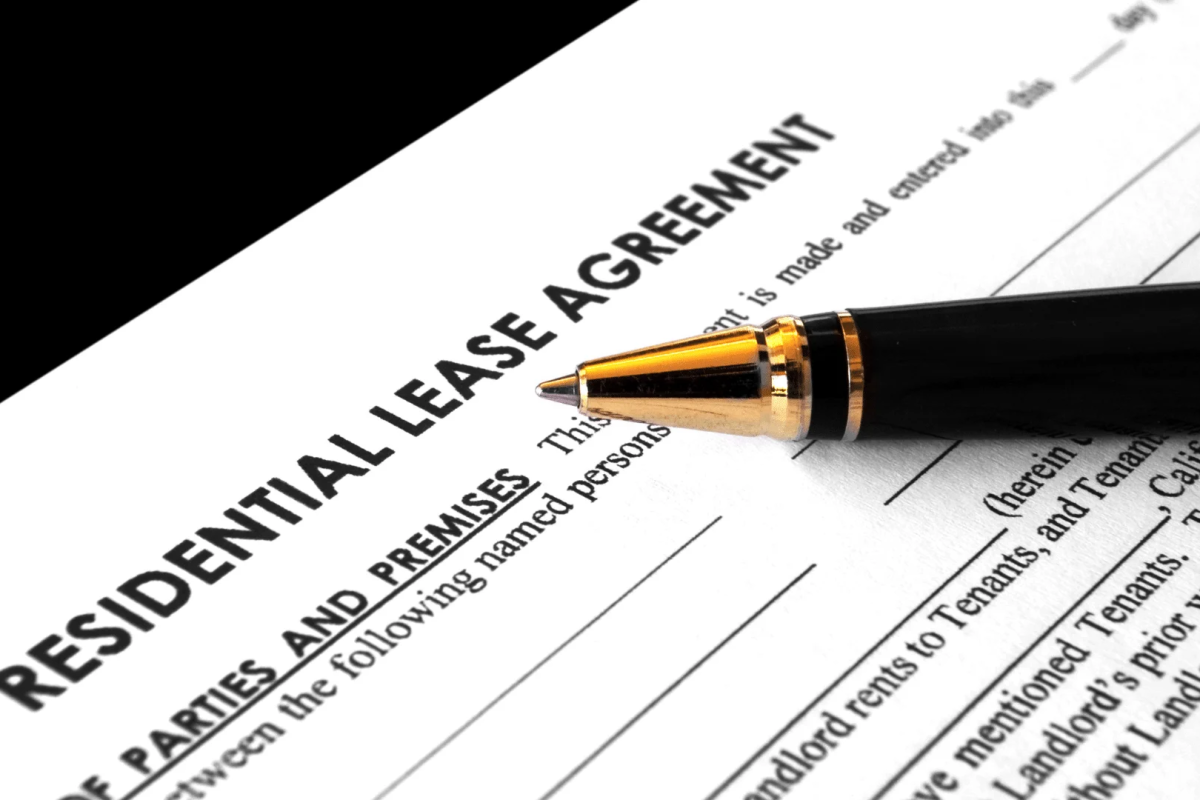
A well-written lease agreement sample can help landlords and tenants avoid misunderstandings and protect their rights throughout the rental period. Whether you own a house, apartment, or commercial space, having a clear lease agreement is one of the most important parts of property management. It explains the responsibilities of both the landlord and the tenant, including rent payments, property care, and rules that must be followed during the stay.
A lease agreement is more than just paperwork. It serves as a legal contract that helps both parties understand what is expected from the beginning of the tenancy until move-out day. With a proper rental agreement template for landlords, landlords can protect their property while tenants can feel secure knowing their rights are clearly stated.
Understanding the Importance of a Lease Agreement
What Is a Lease Agreement?
A lease agreement is a legal contract between a landlord and a tenant for the use of a property over a specific period of time. It outlines important details such as the rent amount, due dates, lease length, security deposit, and property rules.
This agreement protects both sides by clearly stating what each party is responsible for. If problems happen later, such as unpaid rent or property damage, the lease agreement can serve as proof of the agreed terms.
Why Every Rental Property Needs One
Every rental property should have a written lease agreement, even if the landlord and tenant know each other personally. Verbal agreements can easily lead to confusion, especially when issues about rent, repairs, or move-out conditions arise.
A detailed lease agreement helps:
- Prevent misunderstandings
- Set clear expectations
- Protect the landlord’s property
- Explain tenant rights and duties
- Provide legal protection if disputes happen
It also helps keep the landlord-tenant relationship more organized and professional.
Names and Contact Information Matter
Every adult who will live in the rental property should be listed in the agreement. Each resident should also sign the document. This makes everyone legally responsible for following the lease terms and paying rent.
It is also important to include updated contact information for both the landlord and the tenant. Written communication methods, such as email or letters, should be clearly stated for repair requests, notices, and other important concerns.
Include a Complete Property Description
The lease should contain the full address of the rental property, including the unit number if needed. If the property includes parking spaces, storage rooms, or shared areas, these should also be listed clearly.
At the same time, landlords should mention any areas that tenants are not allowed to access. This helps avoid confusion and protects private or restricted spaces.
Key Sections Every Lease Agreement Should Include
Rental Term and Monthly Rent Details
The agreement should clearly explain how long the tenant can stay in the property. Some leases last month-to-month, while others are fixed for six months or one year.
It should also include:
- Monthly rent amount
- Rent due date
- Accepted payment methods
- Late payment fees
- Grace periods, if allowed
Providing complete payment details helps avoid future disputes and keeps records organized.
Repairs and Maintenance Responsibilities
One of the most common causes of landlord-tenant problems involves repairs and maintenance. A good lease agreement explains who is responsible for different types of repairs.
Tenants are usually expected to:
- Keep the property clean
- Report damages quickly
- Avoid causing intentional damage
Landlords are generally responsible for keeping the property safe and livable. The agreement should also explain how tenants can report repair concerns and how maintenance requests will be handled.
Rules About Property Entry
Landlords may need to enter the property for inspections, repairs, or showing the unit to future tenants. The lease should explain when and how the landlord can enter the property.
In many places, landlords are required to provide advance notice before entering unless there is an emergency. Writing this clearly in the agreement helps respect the tenant’s privacy while protecting the property owner’s rights.
Security Deposits and Additional Fees
The lease should explain the exact amount of the security deposit and how it may be used. This may include unpaid rent, cleaning costs, or repair expenses caused by damage beyond normal wear and tear.
The agreement should also state:
- When the deposit will be returned
- Conditions for deductions
- Any nonrefundable fees
- Pet fees, if applicable
Clear deposit rules help prevent arguments when the tenant moves out.
Property Rules and Restrictions
Every rental property has its own rules. Including these policies in the lease agreement makes expectations easier to understand from the start.
Common rules may include:
- No illegal activities
- Noise limitations
- Smoking restrictions
- Pet policies
- Guest rules
- Parking guidelines
If pets are allowed, landlords should explain the number, size, or type of pets permitted. Rules about cleaning pet waste and leash requirements can also be added.
Follow Local Laws and Regulations
Landlords should always make sure their lease agreement follows local, state, and federal laws. Some locations require special disclosures about lead paint, pest history, or safety conditions.
It is also important to follow housing and anti-discrimination laws. Consulting a legal expert or local housing office can help ensure the lease agreement is complete and legally compliant.
Final Thoughts
Creating a clear and detailed lease agreement is one of the best ways to build a strong landlord-tenant relationship. A good agreement protects both parties, reduces misunderstandings, and helps rental arrangements run more smoothly.
Using a reliable lease agreement template can make the process easier, especially for new landlords. Once the terms, rules, and expectations are clearly written, both landlords and tenants can feel more confident throughout the rental period. A strong lease agreement not only protects the property but also creates a more professional and organized rental experience for everyone involved.